
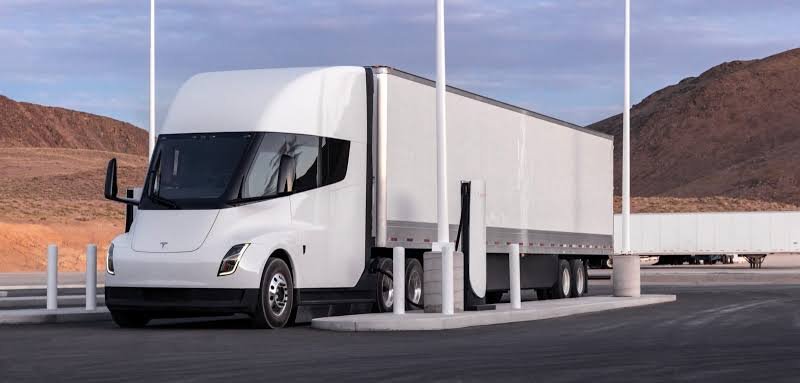
Tesla Semi Charging
Tesla Semi Charging: 5 Essential Fleet Planning Tips
Tesla Semi charging is an important topic for businesses following the next phase of electric freight transportation. Vehicle announcements attract attention, but a fleet needs a practical plan for daily operations.
Routes, charging access, parking arrangements and clear responsibilities all deserve attention before equipment commitments are made.

What Has Tesla Confirmed?
Tesla’s second-quarter 2026 update stated that Semi remained on track for production during 2026 at its new Nevada factory. This describes a manufacturing expansion milestone, rather than the first introduction of the Semi program. See Tesla’s official update.
Tesla’s charging guidance states that Megachargers provide up to 1.2 MW, with actual charging rates affected by operating conditions. It also explicitly states that passenger-vehicle Superchargers and Wall Connectors are not compatible with Semi.
These distinctions matter when researching equipment. Consult Tesla’s Semi charging guidance for current requirements.
1. Begin With Real Route Information
Build your assessment around actual trips. Record route distances, departure times, return times and the periods when trucks are normally stationary.
Include variations that occur during busy weeks. An average day may hide the conditions that create the greatest scheduling pressure. A useful planning document should show routine work and the situations that need extra attention.
Then identify which routes are candidates for further assessment. This gives vehicle and infrastructure discussions a clear operational purpose instead of starting with a charger specification alone.
2. Review Charging Access Along Each Route
For Tesla Semi charging, knowing that a network exists is only the beginning. Operators need to evaluate access in relation to the routes they intend to run.
Create a route checklist that includes charging locations to verify, arrival windows and alternative arrangements. Recheck current site information before relying on a particular location in a working schedule.
Avoid building a business case around a proposed station as though it were already operating. Keep planned infrastructure separate from confirmed access, and update your assumptions as new information becomes available.
3. Assess the Depot as a Working Space
A depot is more than an electrical installation location. It is a place where vehicles arrive, maneuver, load and leave.
Map the movement of trucks before choosing charging positions. Consider whether a parked vehicle could obstruct another activity and whether the proposed arrangement fits the way the site is actually used.
Bring operations staff into the discussion early. Their knowledge of everyday bottlenecks can help identify problems that are easy to miss on a drawing.
The resulting layout should be reviewed alongside the manufacturer’s equipment requirements and the site’s electrical assessment.
4. Assign Responsibilities Before Launch
Decide who will monitor charging activity, handle account administration and respond when a truck cannot begin its planned session.
Create a straightforward escalation process. Drivers should know whom to contact, what information to provide and how schedule changes will be communicated.
Also agree on how charging records will be reviewed. A useful report should help the business understand whether its operating plan is working, rather than simply collecting data that nobody uses.
These responsibilities can be drafted while equipment decisions are still being evaluated.
5. Separate Truck Charging From Other Site Needs
Many businesses operate several types of vehicles. Employee cars, company passenger vehicles and heavy trucks may share a property while requiring different charging solutions.
Prepare a separate requirements list for each group. This helps prevent a passenger-vehicle charging proposal from being mistaken for a complete fleet plan.
It also makes budgeting clearer. Decision-makers can see which part of a proposal supports staff parking, which supports lighter business vehicles and which requires specialist heavy-truck infrastructure.
Plan Around Confirmed Requirements
Tesla Semi charging developments are worth following for businesses considering electric truck operations. A documented assessment grounded in actual routes is a practical next step.
Keep a record of the assumptions behind your plan, including access, schedules and equipment availability. Reviewing those assumptions as the project develops helps the team identify what has changed before committing to the next stage.
Charging for Your Other Fleet Vehicles
Explore our catalog for passenger vehicles and other compatible applications. These products are a separate purchasing decision from Tesla Semi infrastructure.
Research reviewed October 18, 2026. Confirm current vehicle and infrastructure requirements directly with Tesla.


Add comment