
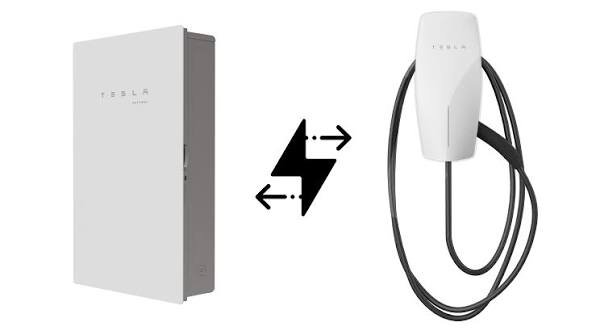
Tesla Powershare
Tesla Powershare: 5 Essential Checks Before Buying
Tesla Powershare brings a new question into the charging conversation: could your electric vehicle also help supply power when your home needs it?
Before choosing equipment, consider your vehicle, existing home energy system and installation requirements together. These five checks will help you prepare.

What Is New With Tesla Powershare?
Tesla’s current support guidance identifies all Cybertruck trims and Model 3 and Model Y vehicles ordered in the United States and Puerto Rico after October 1, 2026 as Powershare-capable. Some earlier Model 3 and Model Y vehicles may also qualify; Tesla provides a vehicle-screen check to confirm support.
Equipment requirements differ by configuration. Tesla lists compatible Powerwall arrangements separately from the Cybertruck configuration without Powerwall. Its guidance also states that only the Gen 3 Mobile Connector supports the described Powershare outlet functionality; Gen 2 does not.
Review the official Tesla Powershare requirements before purchasing. Vehicle capability alone does not establish that your home is ready for backup operation.
1. Confirm Your Exact Vehicle
Start with the vehicle you own or have ordered. Record its model, relevant order information and the compatibility status shown through Tesla’s guidance.
Avoid relying only on the model name in an advertisement. Two owners discussing the same vehicle family may have different production dates, software or supported features.
Keep a screenshot or written record of the information you find. This gives your installer and equipment supplier a clear starting point and reduces the chance of ordering around an assumption.
If the result is unclear, obtain confirmation from Tesla before buying equipment for that specific function.
2. Define What You Want the System to Do
Home backup, everyday vehicle charging and powering a separate device are different goals. Decide which one you are trying to achieve before comparing shopping lists.
For home backup planning, make a practical list of priorities. You might be concerned about refrigeration, communications, lighting or another household need. Give that list to your installer rather than assuming every appliance must be included.
Also consider your driving routine. A vehicle that is away from home during much of the day affects how you think about vehicle-based backup. Discuss your expectations before choosing a system.
3. Identify the Equipment You Already Have
Photograph the labels on your existing charging and home energy equipment. Record model numbers rather than describing everything simply as a Tesla charger.
If your home already has energy storage or solar equipment, include that information in the assessment. An installer needs to understand the complete arrangement before recommending additions.
The aim is to obtain a written equipment list showing what can remain, what needs to be added and what work is included. This makes proposals easier to compare.
4. Check the Exact Accessory Generation
An accessory listing should make the product generation and supported purpose clear. Do not assume that an older Mobile Connector gains a new function because a newer version has it.
Before placing an order, match the seller’s model information with the manufacturer guidance for the feature you want. If the listing is incomplete, request clarification first.
This is particularly relevant when comparing similarly named products across different stores. A lower price is only useful when the equipment meets the requirement you are buying it for.
5. Compare the Complete Installation Proposal
Ask for a proposal that separates equipment, installation work and additional project requirements. Have the installer explain how the proposed system addresses your priorities.
Agree on what will be demonstrated when installation is complete. You should understand the intended operation, where to find relevant controls and whom to contact if something does not behave as expected.
Keep the installation documents, equipment details and support information together. They will be useful when servicing the system or considering later changes.
Plan Your Next Tesla Charging Purchase
Tesla Powershare makes precise compatibility information especially important. Bring your installer’s equipment list when comparing products for a home backup project.
Research reviewed October 18, 2026. Confirm current eligibility and installation requirements with Tesla and your installer.


Add comment