
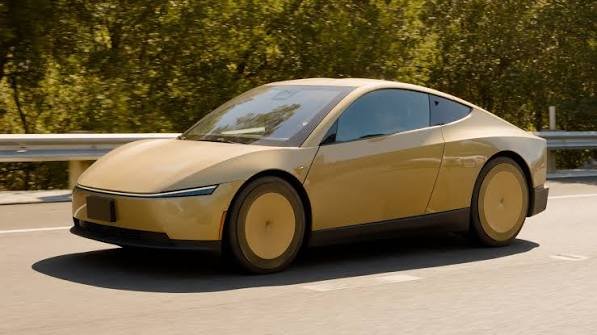
Tesla Cybercab
Tesla Cybercab: 5 Essential Charging Questions
Tesla Cybercab is attracting attention for what it could mean for transportation. For drivers and businesses, it also raises a practical question: how should you prepare for the charging needs of future electric vehicles?
A useful starting point is to separate confirmed developments from expectations, then choose equipment around the vehicle and parking space you actually use.

What Has Tesla Confirmed About Cybercab?
In its second-quarter 2026 update, Tesla reported that Cybercab had begun production at Gigafactory Texas. That is a manufacturing milestone, but it does not, by itself, establish general retail availability or an individual customer’s delivery date.
Follow Tesla’s announcements for changes to deployment and supporting infrastructure. You can read the reported production status in Tesla’s official second-quarter 2026 update.
1. Does Tesla Cybercab Change Your Home Charging Needs?
A future vehicle should not be the only reason to choose a charger for a car you already own. Start with your current vehicle, parking space and daily driving routine.
Before comparing products, record your vehicle model, charging connection and typical mileage. Think about where you park and whether the charging cable can reach comfortably without interfering with movement around the garage.
If you expect to change vehicles soon, include that in your planning. However, avoid buying equipment based on an assumed connection or an accessory that has not been confirmed for your intended vehicle.
2. Should You Wait for a New Charging Product?
Waiting makes sense when a manufacturer has announced something that meets a specific need and provided reliable availability information. Waiting for an unspecified improvement is a different decision.
Ask what problem your current arrangement creates. Are you regularly unable to replenish the energy you use? Is the cable inconvenient? Will another electric vehicle join your household?
These questions help establish whether an improvement is needed now. If your existing setup works well, you can follow new releases without rushing. If it does not, compare available options against your actual requirements.
3. What Should Businesses Consider?
For a business, charging belongs within an operating schedule. A useful planning exercise starts with arrival times, departure times and the periods when vehicles remain parked.
Create a simple daily timetable before discussing equipment. Include busy periods, cleaning, maintenance and parking movements. This can reveal whether charging spaces would become congested or whether vehicles would need to be moved unnecessarily.
These are general planning considerations. A project intended specifically for Tesla Cybercab should use Tesla’s final vehicle and infrastructure guidance.
4. How Can You Assess Compatibility Claims?
Product names can sound similar while referring to different equipment generations or intended uses. Before ordering, compare the exact model number, connection type and installation requirements.
Ask the seller to identify the manufacturer documentation supporting a compatibility claim. Save that information with your order details so you can refer to it during installation.
A familiar brand name does not establish that two particular products work together. The exact vehicle and charging equipment combination is what matters.
5. What Can You Plan Before Future Releases Arrive?
You can gather useful information without committing to speculative equipment. Measure your parking area, record the distance to your electrical panel and note any plans for a second vehicle.
For a business property, document who controls the parking spaces and who will approve installation work. These details make later conversations more productive.
A qualified installer can assess the existing electrical setup and explain which decisions can be made now and which depend on the final equipment selection.
Choose Charging Around Your Everyday Needs
Follow Tesla Cybercab developments while choosing today’s equipment using confirmed specifications, documented compatibility and a realistic installation plan.
Research reviewed October 18, 2026. Check the linked manufacturer information for subsequent updates.


Add comment